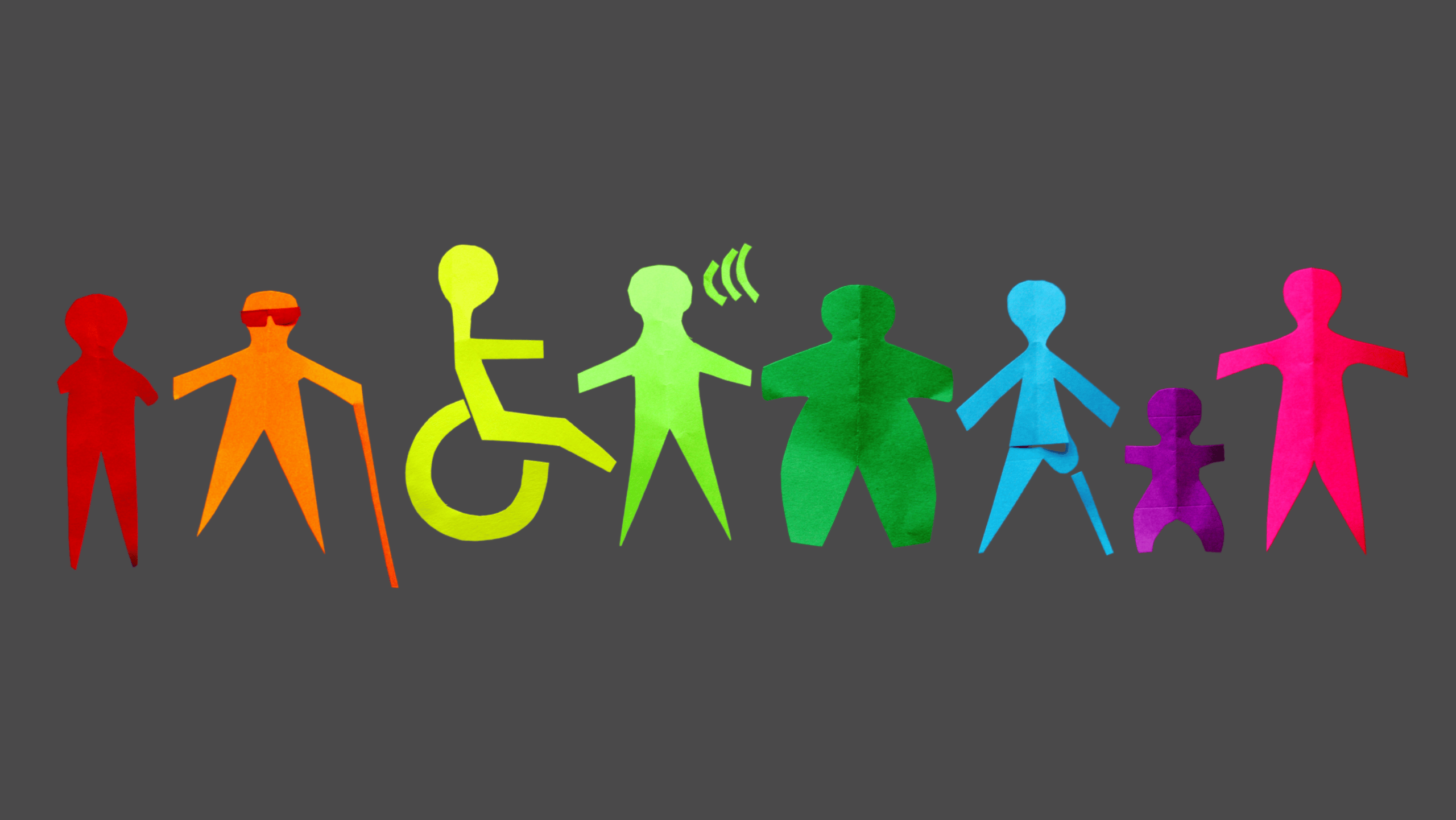
Language shapes our perception of the world, and the words we use to describe children influence how they are viewed in society. When it comes to children who need additional support, it is important to use the correct terminology. Incorrect wording can not only stigmatize a child, but also make it difficult to access education, social services and realize their potential.
This article explains the difference between the terms «special child» and «child with a disability,» argues why it is important to use person-centered language, and provides practical advice for parents, educators, and journalists on ethical and correct communication. This is not just a matter of terminology — it is a matter of respect, dignity, and equal opportunities for all children.
What is the difference between the terms "special child" and "child with a disability"?
Both terms refer to children who need support. However, they are used in different contexts, both by people and in official documents.
The term "child with a disability" is official. It is enshrined in laws and state standards. This means that the child has a formal disability, confirmed by a medical and social expert commission. This status gives the right to social payments, services, and benefits.
Instead, "special needs child" is a broader and more informal term that is more commonly used by parents and educators. It refers not only to children with disabilities, but also to those who have developmental, visual, hearing, or learning difficulties due to emotional or social factors. Many parents find this term more lenient—it emphasizes individuality rather than diagnosis or status.
Why is the concept of "child with disabilities" enshrined in Ukrainian and international legislation?
The concept of "child with disabilities" has legal significance and is enshrined both in Ukraine and internationally. This is necessary to have a clear, unambiguous formulation in laws, state programs, and the social protection system.
The term «special child» does not define legal grounds for assistance, while the use of the official concept allows the state to define the circle of children who are entitled to support. It also complies with international standards, in particular, the UN Convention on the Rights of Persons with Disabilities, ratified by Ukraine in 2009.
Enforcing this term ensures that the state fulfills its obligations to children and their families and helps integrate Ukrainian legislation into the global legal space.
How does language influence society's attitude towards children with disabilities and their families?
Language shapes attitudes towards a person. When we hear the words «disabled,» «sick,» «impaired,» they reduce a child’s personality to just a diagnosis. But the wording «child with a disability» or «child with special educational needs» puts the child at the center, not their condition.
In international practice, a person-centered approach is in effect — «person first.» That’s why we say «child with a disability,» not «disabled child.» This changes the focus: a child is not defined by their disability, they simply have it as one of their characteristics — like eye color or height, for example.
Correct language promotes acceptance, empathy, and a willingness to help. On the contrary, stigmatizing words create barriers. They make parents feel ashamed, children feel "different," and society distance itself.
How we speak directly affects how we act. Respectful language gives the child and family a sense of dignity, security, and support. When ethical terminology is spread throughout society, it becomes more inclusive—changing not only the words but also the approaches to education, medicine, and social services.
Why is it important to avoid euphemisms ("sunny children", "special") in professional, educational, and legal spheres?
Sometimes euphemisms seem «soft» and «warm,» but in reality they can mask the problem. In legal or educational documents, specificity is needed. Words like «sunny» or «special» do not provide a clear understanding of what kind of support a child needs.
The wording "child with disabilities" or "child with special educational needs" has legal weight - it is it that guarantees access to services.
In addition, the «sunny child» creates the myth that a child with Down syndrome should always be smiling and gentle, although they, like any other, can have different emotions. Such words form a false, simplified perception, rather than an understanding of real needs.
The UN Convention on the Rights of Persons with Disabilities requires a clear wording for «children with disabilities.» Euphemisms distance us from the international field and may reassure society, but they do not change the reality of the child.
Therefore, in professional language, it is necessary to speak clearly and correctly. Euphemisms are appropriate only in artistic or emotional texts, but not where children's rights are concerned.
What words and phrases should you use in everyday communication?
It is also important to be respectful in everyday communication.
We put the child first — «child with a disability,» not «disabled.» We say «uses a wheelchair,» not «confined to a wheelchair.» We avoid the «normal»/«special» contrast, instead — «children with disabilities» and «children without disabilities.».
We emphasize opportunities, not limitations: "learns according to an individual program", not "cannot learn like everyone else". And always - we address the child by name, with respect. The main rule: first the child - then his or her uniqueness. This is what creates a sense of acceptance and dignity.
How should journalists and educators talk and write about children with disabilities?
Journalists and educators have a powerful influence on how society perceives children with disabilities. Their words can both support and recreate barriers. Therefore, it is important to apply a person-centered approach. Avoid words that evoke pity or sensationalism: «victim», «suffering from…», «wheelchair-bound». It is more correct to say: «uses a wheelchair», «has a hearing impairment».
Do not reduce a child to a diagnosis: not «autistic» or «epileptic,» but «a child with autism,» «a child with epilepsy.» It is also important to focus on development, achievements, and strengths — not just difficulties.
The official language is «child with a disability» or «child with special educational needs.» Euphemisms («sun child,» «angel»), although they sound warm, are inappropriate in a professional context.
Also, always address the child directly, even if there are parents or an assistant nearby. This is the easiest way to show respect.
What advice can you give to parents so they can support their children without locking them into labels?
The most important thing is to see the child, not the diagnosis.
A child is a person with their own abilities, interests, and feelings. They should be perceived holistically, without being reduced to a «limitation» or «specialness.».
Use human-centered language, focus on achievements, not on «what they can’t do.» Give your child space for independence, involve them in decision-making — this builds confidence and dignity. Don’t be afraid to talk about emotions — both your own and your child’s. This helps build healthy self-esteem. Look for a community of support, share experiences — this gives you strength and relieves feelings of isolation. And most importantly — take care of yourself. When parents are calm and resourceful, the child feels it and flourishes.