Project “Development of the child protection and family support system in communities of Dnipropetrovsk region” (April 2026 - present)
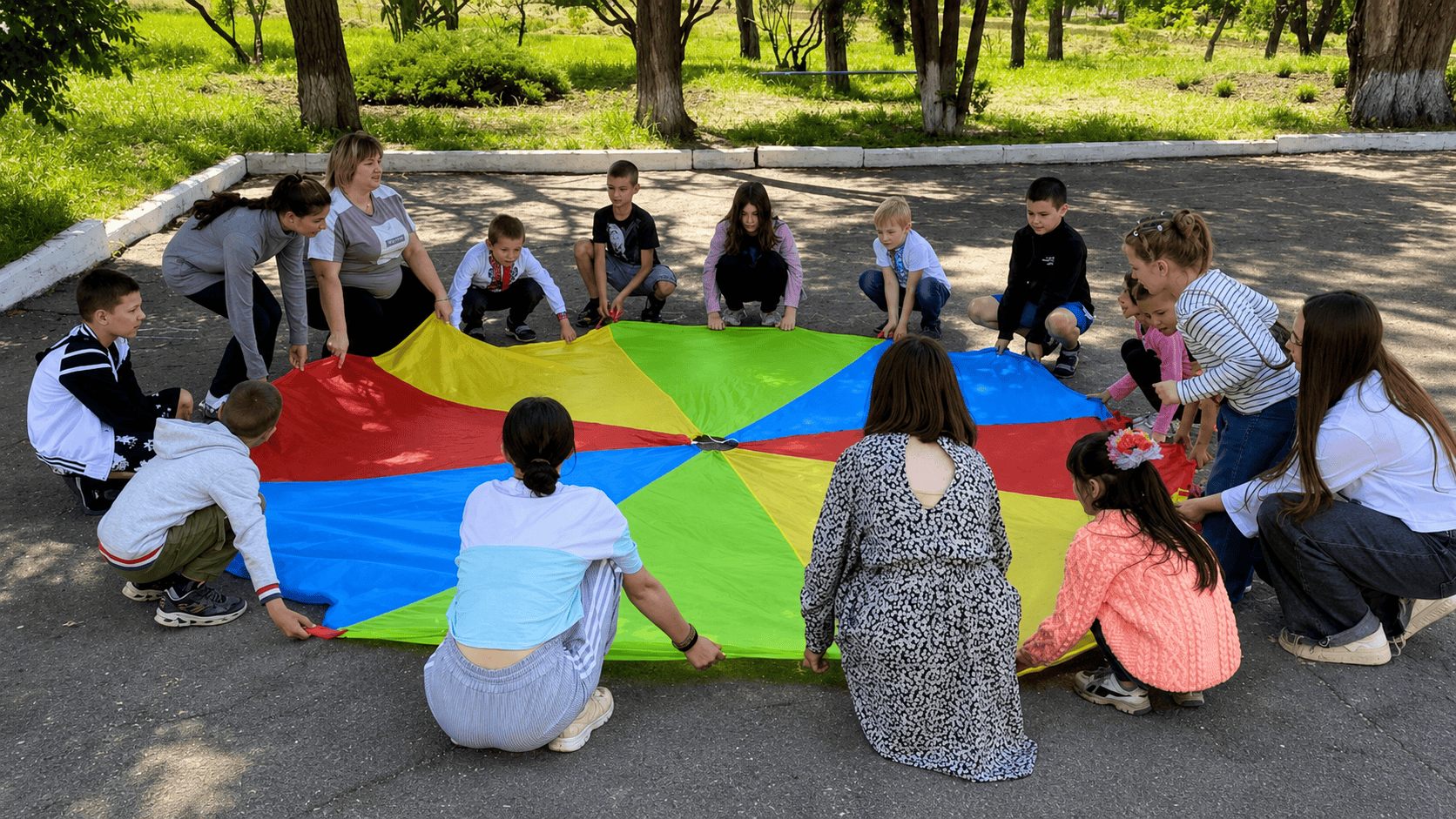
In 2026, the public organization "Institute for the Development of Social Services" began implementing the project "Development of the Child Protection and Family Support System in Communities of the Dnipropetrovsk Region" with the support of UNICEF.
The project aims to strengthen the child protection system and expand access to quality social services for families with children in the frontline region. Dnipropetrovsk region remains one of the key regions hosting internally displaced persons, which increases the burden on social services and increases the need for comprehensive support.
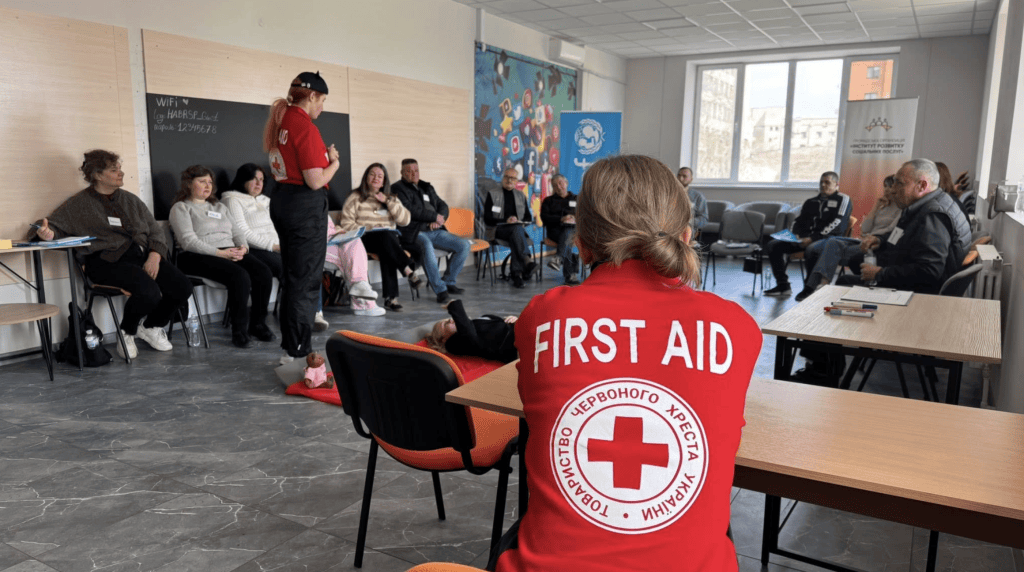
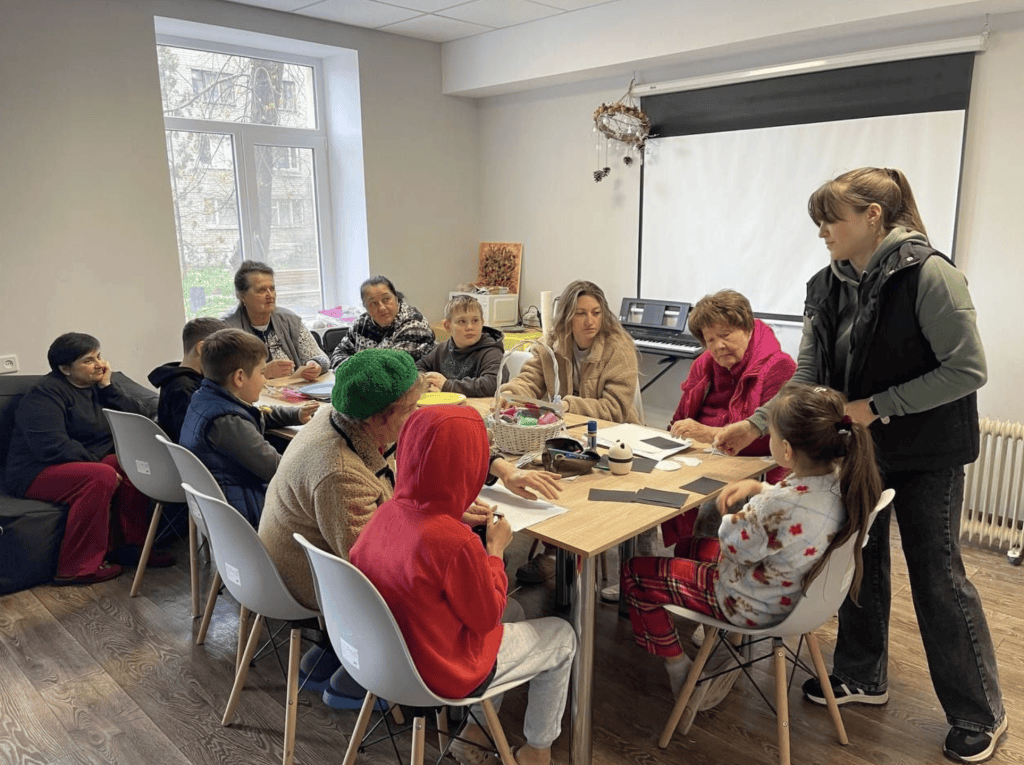
Within the framework of the project, Child-Friendly Spaces were created and operated in 11 communities of the region. They provide psychosocial, psychological, social and legal assistance to children, parents and guardians.
A separate area is the work of 13 mobile teams that travel to remote settlements, ensure early identification of families in difficult life circumstances, provide first psychological aid, and promote the involvement of people in the social services system.
Communities in which the project will be implemented:
Dniprovska, Kryvorizka, Petrykivska, Mahdalynivska, Synelnykivska, Kamianska, Solonianska, Shyrokivska, Apostolivska, Tomakivska, Pavlohradska
The project provides a comprehensive approach to supporting families and is implemented through the following components:

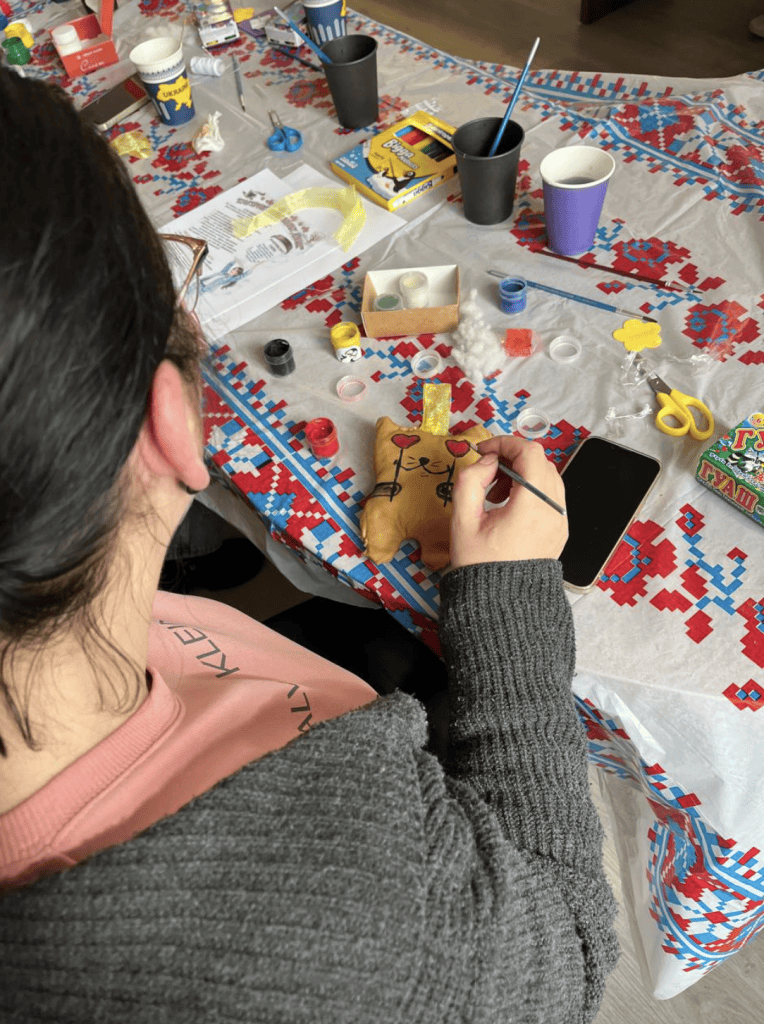
Psychosocial support component – supporting the emotional state of children and adults through individual and group activities. The component includes activities aimed at reducing stress, improving psycho-emotional state, and developing communication skills.

Psychological support component – psychological assistance for children and parents/guardians, which includes individual consultations, psycho-correctional work, and group activities.

Child Protection Case Management Component – comprehensive support for vulnerable categories of families with children, which is aimed at developing human potential to overcome difficult life circumstances.

Specialized Services Component for Children with Disabilities – support for families raising children with disabilities, including through case management, provision of nanny services, and speech therapy.

Gender-based violence case management component – preventing and responding to gender-based violence, including supporting survivors, case management, and conducting community outreach activities.

Legal support component – providing legal advice on social protection, children's and families' rights, as well as support in resolving legal issues.

Mobile brigade component – ensuring the availability of social services for community residents and responding to emergency situations, in particular through field work by a psychologist and social worker.

Interagency interaction component – integration of project services into the existing system of social protection of the population, through the establishment of interaction between the involved institutions and services in the community. Carrying out analytical activities regarding the needs of the population and intersectoral cooperation, promoting the implementation of a comprehensive approach to the development of social services in the community.
The implementation of the project contributes to increasing the accessibility and quality of social services, as well as strengthening the capacity of communities to effectively respond to challenges and support vulnerable categories of the population.
Photo gallery of the project